Head-to-Head: Japanese Floor Mattress vs Topper (Detailed Comparison)
The quest for a restorative night's rest often leads consumers through a labyrinth of sleep technologies, from high-spec smart beds to advanced memory foam formulations. However, in the realm of modern sleep home electronics and comfort integration, a significant pivot has occurred toward minimalist and ergonomic solutions. Two products frequently at the center of this dialogue are the Japanese Floor Mattress, also known as a shikibuton, and the Mattress Topper. While they may appear to serve similar functions at a glance, they represent fundamentally different philosophies regarding spinal support, space management, and thermal regulation.
Understanding the distinction between these two sleep surface enhancers is critical for anyone looking to optimize their bedroom environment. Whether you are dealing with a master bedroom that lacks sufficient support or a multi-functional studio apartment where space is the ultimate premium, the choice between these two can dictate your physical health and daily energy levels. This article provides an exhaustive analysis of the Japanese Floor Mattress and the Mattress Topper, examining their construction, use cases, and how they stack up in a direct head-to-head comparison.
The Japanese Floor Mattress: A Heritage of Minimalism
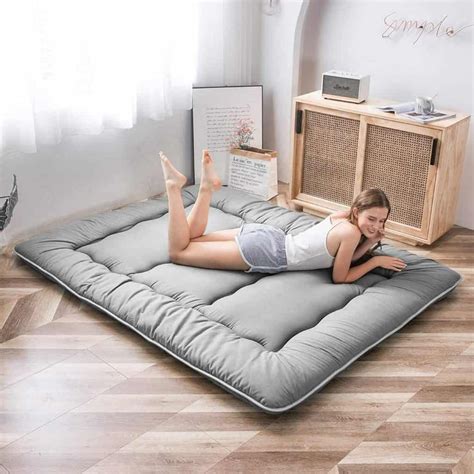
The Japanese Floor Mattress is far more than just a thin pad on the ground; it is a meticulously engineered sleep system designed for firm support and portability. Traditionally crafted from dense layers of cotton, modern iterations often incorporate high-density foam or moisture-wicking synthetic fibers to meet contemporary standards of hygiene and comfort. The primary characteristic of a Japanese floor mattress is its lack of a spring system. Instead, it relies on the density of its filling to provide structural integrity.
In a real-world scenario, the Japanese Floor Mattress is the staple of the minimalist lifestyle. It is designed to be laid directly onto the floor—typically on a tatami mat—and folded away during the day. This functionality transforms a sleeping area into a functional living space in seconds. For buyers, the appeal lies in the firm, "solid" feel that many find superior for spinal alignment compared to the "sinking" sensation of Western-style mattresses. It is an active sleep surface that encourages the body to maintain a neutral posture throughout the night.
Key Characteristics of the Japanese Floor Mattress
Most buyers gravitate toward this product because of its breathability. Because it is thinner and often made of natural materials, it does not trap heat as aggressively as thick memory foam. Furthermore, its portability makes it an excellent choice for guest accommodations or for those who frequently relocate. However, it requires a higher level of maintenance; to prevent moisture buildup and compression, it must be aired out regularly and folded daily.
- Firmness Profile: Exceptionally firm with minimal "give," focusing on structural skeletal support rather than soft pressure relief.
- Portability: Designed to be tri-folded or rolled, making it easy to store in closets or transport in a vehicle.
- Maintenance: Requires consistent sunning or airing to maintain loft and hygiene.
- Space Efficiency: Ideal for small apartments or multi-use rooms where a permanent bed frame is not feasible.
The Mattress Topper: Salvaging the Existing Sleep System
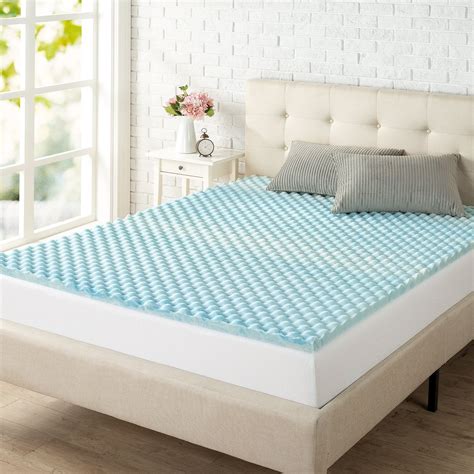
Conversely, a Mattress Topper is an additive component designed to modify the feel of an existing mattress. It is not intended for standalone use. Toppers are typically between two and four inches thick and are constructed from a variety of materials, including memory foam, latex, down alternative, or convoluted "egg-crate" foam. The primary goal of a topper is to bridge the gap between a mattress that is too firm and the user's need for pressure relief.
Buyers typically seek out a topper when their current mattress is either nearing the end of its lifecycle or was a mismatched purchase from the beginning. By adding a topper, one can introduce specialized features—such as cooling gel infusions or motion isolation—without the expense of a brand-new mattress. In the context of modern sleep electronics, many high-end toppers are now designed to work in tandem with motorized adjustable bases, providing a flexible surface that doesn't bunch or shift when the bed's angle is changed.
Key Characteristics of the Mattress Topper
The defining trait of a topper is the "contour." Whether it is a slow-response memory foam that cradles the shoulders and hips or a responsive latex that offers a "bouncy" feel, the topper is about comfort enhancement. It is the solution for those who wake up with numb limbs or localized pain caused by a mattress that is unforgivingly stiff. Unlike the floor mattress, it remains a permanent fixture on the bed, usually secured by elastic straps or tucked under a fitted sheet.
- Comfort Modification: Primarily used to soften a hard bed or add a layer of luxury to a standard sleep surface.
- Installation: Effortless placement over a standard mattress; does not require the user to change their bed frame or room layout.
- Durability: Highly dependent on material density; high-quality foam can last several years, while cheap alternatives may sag quickly.
- Heat Retention: Potentially high in memory foam models, though often mitigated by "open-cell" technology or gel beads.
Comparison Analysis: Performance and Utility
When choosing between these two, it is essential to consider the "why" behind the purchase. The Japanese Floor Mattress and the Mattress Topper serve different masters. One is a foundational replacement for a bed, while the other is a localized enhancement for a bed. Below is a detailed breakdown of how they compare across several critical categories that buyers prioritize.
Find top-rated Electronics products at great prices.
Browse Now →Spinal Health and Support
The Japanese Floor Mattress wins on pure support. By placing a thin, dense layer on a hard flat surface, you eliminate the possibility of a "hammock effect," where the midsection sinks lower than the head and feet. This is a common cause of lower back pain. For those who sleepers who prefer back or stomach positions, the floor mattress provides a stable platform that keeps the spine neutral. The Mattress Topper, however, is the king of pressure relief. Side sleepers often find floor mattresses too punishing on the shoulders and hips. A topper allows these protruding joints to sink in, redistributing body weight and preventing pressure sores and circulation issues.
Thermal Regulation
Heat is the enemy of deep sleep. Generally, the Japanese Floor Mattress offers superior airflow because it is thinner and usually lacks the heat-insulating chemicals found in thick slabs of foam. Because it is often made of cotton or breathable synthetics, air circulates through the mattress more freely. Mattress Toppers, specifically those made of memory foam, are notorious for "sleeping hot." While many manufacturers have introduced cooling gels and ventilated designs, the fact remains that a topper creates a "cradle" around the body, which naturally traps more ambient heat than a flat, firm floor mattress.
Longevity and Value
A high-quality Japanese Floor Mattress can last for many years if properly maintained (aired out and rotated). However, its lifespan is cut short if it is left on the floor in a humid environment, which can lead to mold. Mattress Toppers are essentially sacrificial layers. They take the brunt of the body’s weight and friction so the underlying mattress doesn't have to. Consequently, most toppers have a shorter lifespan—usually three to five years—before the foam begins to lose its resilience and "remembers" the body shape permanently, leading to dips.
Comparison Table: Feature Breakdown
| Feature | Japanese Floor Mattress | Mattress Topper |
|---|---|---|
| Primary Purpose | Standalone sleeping surface | Comfort layer for existing bed |
| Common Materials | Cotton, Polyester, High-density Foam | Memory Foam, Latex, Feather, Gel |
| Storage | Easily foldable, highly portable | Stays on bed; difficult to store once expanded |
| Firmness Level | 8/10 to 10/10 (Very Firm) | 2/10 to 6/10 (Soft to Medium) |
| Ideal Sleeper | Back/Stomach sleepers, Minimalists | Side sleepers, those with joint pain |
| Installation Surface | Floor or Tatami Mat | Existing Mattress |
| Maintenance | High (Regular airing required) | Low (Occasional rotation) |
Pros and Cons: Japanese Floor Mattress
The decision to move to a floor-based sleep system is often a lifestyle choice as much as a comfort one. Here are the specific advantages and drawbacks that buyers should weigh carefully.
- Pros:
- Optimizes Space: Can be stored during the day, making it perfect for tiny homes or multifunctional guest rooms.
- Superior Alignment: Provides the firmest possible support, which can alleviate specific types of chronic back pain.
- Cost-Effective: Eliminates the need for expensive bed frames, box springs, and headboards.
- Allergic Sensitivity: Often constructed with fewer chemicals and volatile organic compounds (VOCs) than industrial foams.
- Cons:
- Hardness: The transition can be painful; the lack of cushioning is often a shock to those used to Western beds.
- Hygiene Requirements: Being close to the floor means more exposure to dust; requires diligent cleaning and airing.
- Physical Demands: Requires the sleeper to have the mobility to get up and down from floor level every day.
Pros and Cons: Mattress Topper
For most people, the topper is the logical "next step" before committing to a major furniture purchase. It offers a quick fix with very little behavioral change required.
- Pros:
- Instant Comfort Upgrade: Can transform a "brick-like" guest bed into a plush sleeping experience.
- Isolation of Motion: Foam toppers are excellent at absorbing energy, meaning you won't feel your partner moving.
- Customizable Sleep environment: Allows users to add specific features like "cooling" or "orthopedic support" at a fraction of the cost.
- Extends Mattress Life: Protects the expensive base mattress from sagging and direct wear.
- Cons:
- Heat Sink: Many foam-based toppers can become uncomfortably warm during summer months.
- Off-gassing: New foam toppers often emit a "chemical" smell for the first 48-72 hours after unboxing.
Shift and Slide: Cheap toppers without proper anchoring systems can slide off the side of the bed.
Buying Guide: Choosing the Right Solution for Your Home
To determine which product fits your needs, evaluate your specific sleep challenges. A systematic approach to your purchase will ensure you don't end up with a product that languishes in a closet or exacerbates your back issues.
Step 1: Identify the "Pain Point"
Start by asking yourself why you are dissatisfied with your current sleep setup. Is the bed too soft? If your mattress feels like quicksand and you wake up with an aching lower back, a Mattress Topper will rarely help. In fact, a soft topper on a soft mattress often makes the problem worse. In this scenario, a Japanese Floor Mattress or a very firm, high-density foam topper is the answer. Conversely, if your bed is too hard and your arms are falling asleep, a plush topper is the direct solution.
Step 2: Assess Living Space Constraints
If you live in a convertible space where your bedroom is also your office or your gym, the Japanese Floor Mattress is the undisputed winner. The ability to reclaim 30 to 40 square feet of floor space during the day is a massive quality-of-life improvement. If you have a dedicated bedroom with a permanent bed frame, the Mattress Topper is more practical, as it does not require daily "labor" to set up and take down.
Looking for the best Electronics deals on Amazon?
Browse Now →Step 3: Consider Material Science
Technology in the sleep sector moves fast. When looking at Toppers, seek out "open-cell" memory foam or "phase-change materials" (PCM) which help regulate temperature. If looking at Japanese Floor Mattresses, check for "5nd-generation" synthetic blends that mimic the feel of traditional cotton but are more resistant to compression and moisture. Buyers should also look for CertiPUR-US certifications for foam components to ensure they are free of heavy metals and formaldehyde.
Step 4: Think About Accessibility
This is a practical consideration often overlooked. Sleeping on the floor requires a certain degree of knee and back strength. For elderly users or those with limited mobility, a Japanese Floor Mattress can be a hazard or simply too difficult to use. In these cases, staying with a traditional bed height and using a Mattress Topper for comfort is the safer, more ergonomic choice.
Integration with Modern Bedroom Electronics
In the current market, neither of these products exists in a vacuum. They are often part of a larger "sleep stack" that includes white noise machines, smart lighting, and air purification systems. For the tech-forward consumer, a Mattress Topper is often better suited for use with under-sheet cooling systems (like water-cooled pads), as the topper provides a stable layer to hide the tubing. The Japanese Floor Mattress, due to its minimalist nature, pairs efficiently with floor-based air purifiers and low-profile smart lamps that enhance the "zen" aesthetic of the room.
Furthermore, for those who use sleep trackers (wearable or under-mattress sensors), thinness can be a factor. A sensor placed under a 12-inch mattress and a 3-inch topper may struggle with accuracy. A Japanese Floor Mattress allows for highly accurate heart rate and respiratory tracking because there is very little material between the body and the floor-based sensor pad.
Conclusion
The choice between a Japanese Floor Mattress and a Mattress Topper ultimately comes down to a choice between structural change and surface enhancement. The Japanese Floor Mattress is a transformative sleep solution that promotes firmness, space efficiency, and a minimalist lifestyle. It is the ideal choice for those who want to improve their posture or those living in compact urban environments where every inch of floor space must be earned.
The Mattress Topper, meanwhile, is the ultimate tool for customization. It acknowledges that mattresses are expensive and that preferences change over time. By introducing a topper, you can fine-tune your comfort levels, provide relief to aching joints, and breathe new life into a tired bed. While it lacks the portability and space-saving benefits of the shikibuton, its ease of use and immediate comfort benefits make it a staple in the modern bedroom.
Whether you choose the firm, grounding experience of the floor or the plush, adaptive feel of a topper, the goal remains the same: a sleep environment that supports your physical health and provides the recovery necessary for a productive life. By carefully considering your sleep position, your room's dimensions, and your thermal preferences, you can select the product that will truly deliver the rest you deserve.